



Awkward product shout outs. Too obvious #ads showing “Life changing” products that won’t be even touched by the same influencers had they not received a fat paycheck in advance. Or “This product is so good and has blah blah features”. or any other format from the long list of cringeworthy UGC content that is not an ad because even ads have storytelling and emotional triggers but definitely an ad because it is an interruption that people hate to see, do nothing but burn your cash and your brands reputation, and make the creator look like a sellout.
(YES I AM DYSLEXIC AND I CAN’T HELP IT)
And after all that, brands then end up getting baited by some self-proclaimed guru telling them influencer marketing is dead—unless, of course, they buy his course, his secret formula, or just pay him to “scale them to 8 figures.”
Classic.
The point is influencer marketing isn’t dead, it’s just not 2016 anymore, and NO, there is no “secret formula” that successful brands are supposedly hiding from you.
Short answer, stop obsessing over crawlers and bots, and start focusing on people.
The game is changed because market changed.
Trends evolve, attention shifts and with that that persuasion tactics (or simply marketing) must keep up.
In 2025 and onwards the most dominant consumer segment is going be to be GenZ who is the most ad aware and BS detecting generation on internet, because that’s probably the only thing they do consistently, roam on internet.
They hate being sold to. But they love discovering things on their own. So instead of pushing products in their face, smart brands are learning to just… suggest.
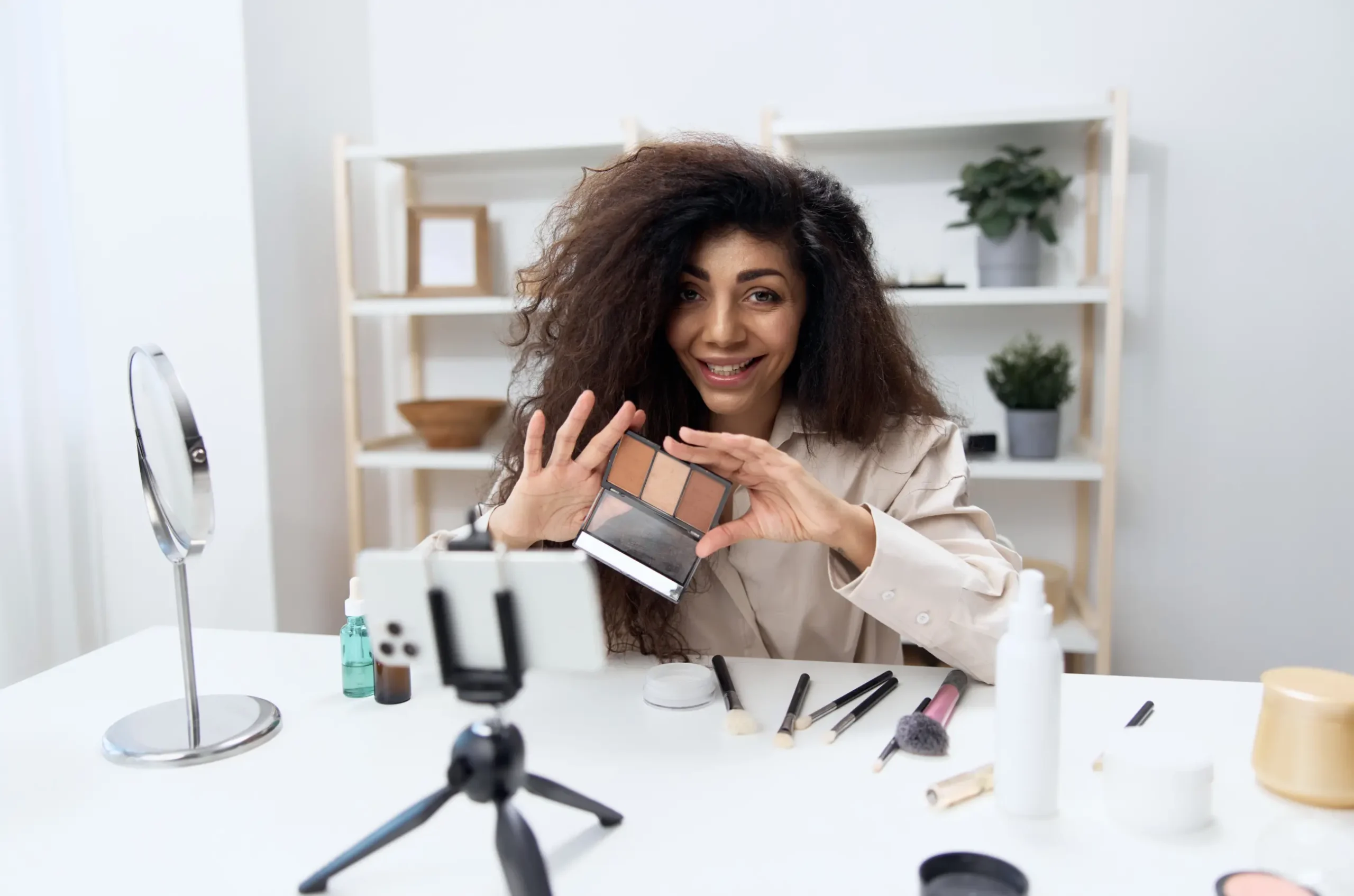
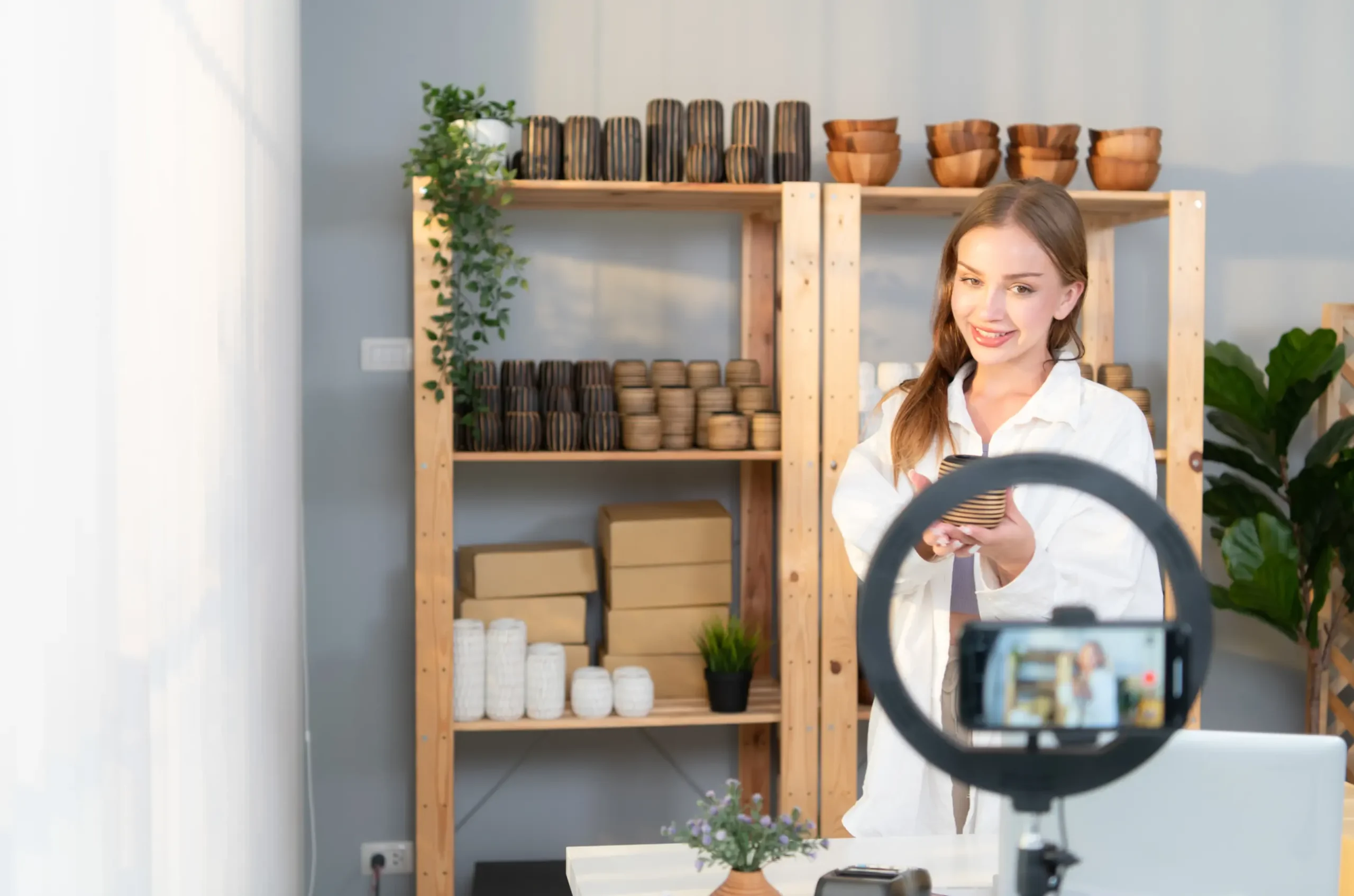
This “suggestion” tactic gives rise to a new form of influencer marketing which we call passive feeding or passive integration, the keyword here is “Passive”
The idea is simple, you don’t hire an influencer, get them to rave about your product, and pray it doesn’t look like a cash grab, because as already mentioned above, it doesn’t cut anymore, instead you let your brand live within their content__ subtly organically and effectively. for example, if you have a home decor brand, instead of begging a lifestyle youtuber to dissect the premium quality and fineness of your wall arts just get it installed in the backdrop of a popular podcast studio, that GenZ actually listens to, the aesthetics will do the job themselves, and if they don’t, you need to focus on your product.
Or take fitness supplements,
Skip the gym bro flexing his muscles and telling the audience that
OW I use this creatine to get huge so you should use it too.
collaborate with a fitness influencer for a video about misconceptions and myths associated with creatine, such as kidney damage and fake strength gains, and ask them to reference your creatine’s ingredients to support the truth bombs they are dropping.
Who’s winning here?
The creator who never said, “buy it,” but made your product part of a story worth listening to. And the viewer doesn’t feel marketed to, they feel informed. This not only positions the creator as a thought leader and a credible person but also builds trust for your brand, leading to more engagement and conversions.
The second important thing is WHO are the influencers you need to collaborate with, because not all deliver similar ROI and surprisingly those with millions of followers are not usually the ones delivering gold.
We categorize influencers in three categories.
Conventional macro influencers
micro influencers
Myth busters.
Conventional Macro influencers:
They’re celebrities, basically. Big numbers, big reach, big deals. But with great fame comes… a big wall between them and their followers. Gen Z watches macro-influencers for escapism, not guidance.
Their world is glossy, curated, and a little too polished. When they promote a product, everyone knows there’s a fat paycheck behind it. That makes Gen Z skeptical, and this lack of relatability and a perception of commercialization produces friction leading to low trust and less conversions.
Micro Influencers:
Hubspots marketing report defines micro influencers as people who have cumulative social media audience of 10k to 99k people.
They are not glossy corporate celebrities; they are relatable and real which fosters trust.
They usually have niche audiences because they make niche content and actively engage with their audience and that is why their advice feels like it is from a friend.
Also, since they do not have a huge following, they are relatively cheaper and easier to collaborate with.
Myth Busters:
These are the creators that challenges conventions and shatters norms, their content is rebellious, exactly what GENZ believes in, they prove what their audience believes in. They make their audience feel validated and smart. That is why they are so influential and when they recommend something, it feels truth or perhaps necessary
TL;DR
Influencer marketing is not dead, it just evolved; from sales pitch to subtle passive integration, and ‘secret’ formula is blending in not breaking in.
and in terms of effectiveness
MYTH BUSTERS> MICRO INFLUENCERS> CONVENTIONAL MACRO INFLUENCERS.
This evolution is not random; it is driven by the rise of consumer power of GENZ, the most ad aware generation. They are estimated to have a spending power of $12 Trillion in just five years from now. They are truly the most rapidly growing and soon be the most dominant consumer segment in the market.
and if you want a share of that, we made a free 30-minute video explaining their consumer patterns and buying behaviors.
you can watch it here.


